Heat Pump vs Furnace: Which Fits Your Plans?
A furnace replaces heating. A heat pump can bring heating and cooling together. The better comparison starts with the comfort you want and the equipment your home can use.
Guidance reviewed October 15, 2026. Check the linked administrator for current program requirements.
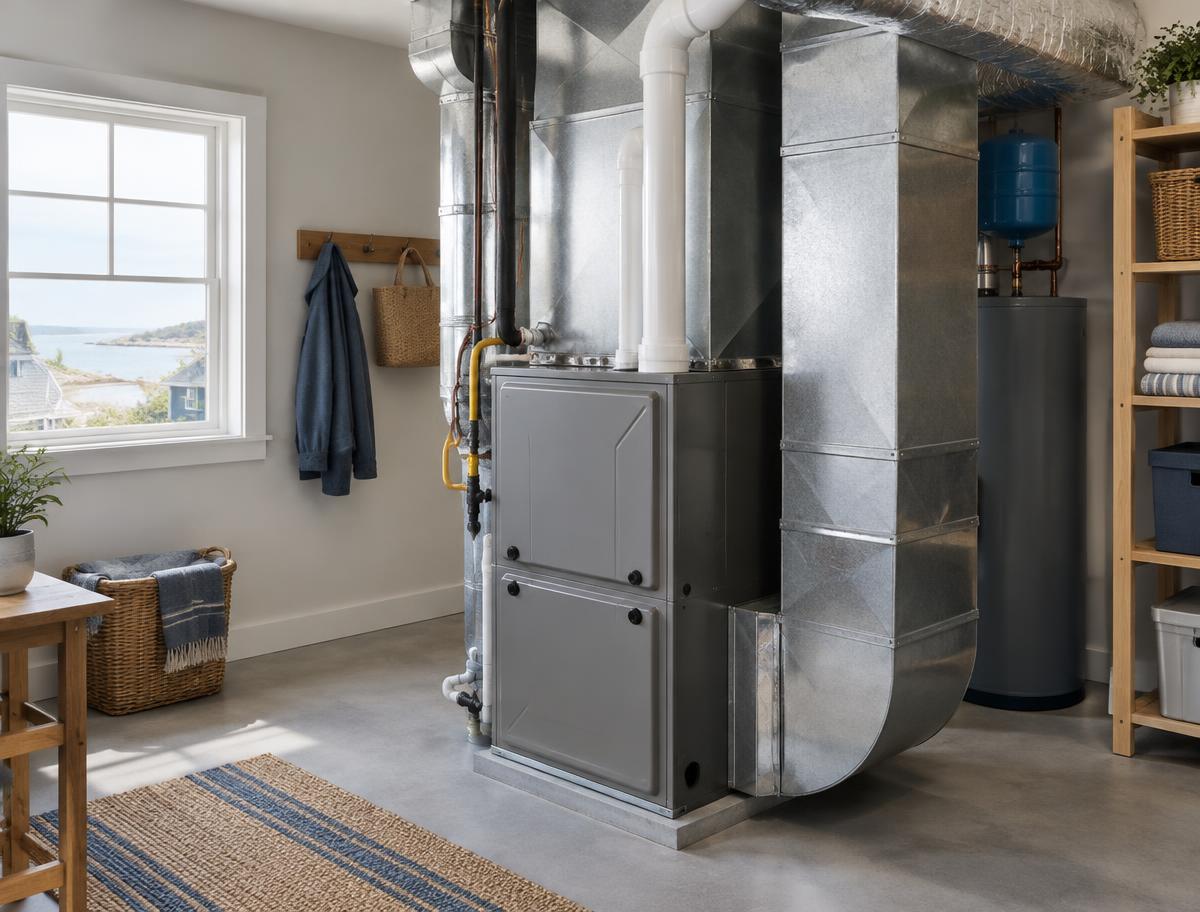
Need heating only—or heating and cooling?
Both are worth comparing when replacement is on the horizon. The useful choice depends on the home, winter heating requirements and the work needed to install each option.
Furnace
Explore heating replacement around the existing infrastructure.
Heat pump
Explore heating and cooling with a suitable distribution plan.
Complete project
Compare the same rooms, related work and any supplementary heat.
The practical differences at a glance
| What matters | Furnace | Heat pump |
|---|---|---|
| Heating | Produces heat using the configured energy source | Transfers heat into the home |
| Cooling | Requires a separate cooling arrangement | Can reverse to provide cooling |
| Distribution | Commonly uses ducts | Suitable ducts or planned ductless zones |
| Winter planning | Heating capacity and supporting infrastructure | Rated winter output and any supplementary heat |
| Project work | Fuel, venting, controls and connections as applicable | Electrical supply, equipment positions, distribution and controls |
What do you already have—and want to keep?
Existing ducts, heating equipment and controls may affect both proposals. Ask what can remain and how it connects to the new configuration.
Keep the useful parts. Plan the changes.
| Existing home | Upgrade plan |
|---|---|
| Heating source | Keep, replace or supplement |
| Ducts or room units | Check room coverage |
| Controls and supply | Specify necessary work |
Existing components are retained only where suitable for the selected system.
Compare operating costs with the right baseline
Your current fuel and electricity prices, home heating demand and the equipment’s performance shape running costs. A generic percentage cannot tell you what your household will save.
Ask what assumptions were used: current energy consumption, proposed equipment, winter performance and supplementary heat. If cooling is new to the home, that changes how the system is used too.
A heating plan for the whole season
Milder days
The heat pump responds to a lower heating demand.
Colder days
Compare the model’s available heat with the home’s demand.
Backup plan
Confirm any supplementary heat and how it is controlled.
A decision sequence, not a performance chart. Capacity varies by model and conditions.
Make the purchase totals comparable
Equipment and rooms
Know the exact configuration and the rooms or zones it is intended to serve.
Work and exclusions
List the connections, electrical or duct changes, removal and finishes included. Identify work arranged separately.
Coverage and payment
Read equipment warranty and installation labour terms separately, along with the purchase total and payment arrangements.
Your next decision: define the result you want
Write down whether you need heating, cooling or both; which rooms matter; and which existing components you hope to keep. Those three answers make a home assessment much more specific.
Choose the upgrade that fits the whole home.
We can compare the heating, cooling and installation scope together at a free home assessment.
The online assessment is preview-only. No request is sent or appointment booked.