Is a Heat Pump Worth It for Your Home?
It can be worth exploring when you want heating and cooling, are replacing older equipment or need a new room-coverage plan. The value depends on your starting point and the complete installation.
Guidance reviewed October 15, 2026. Check the linked administrator for current program requirements.
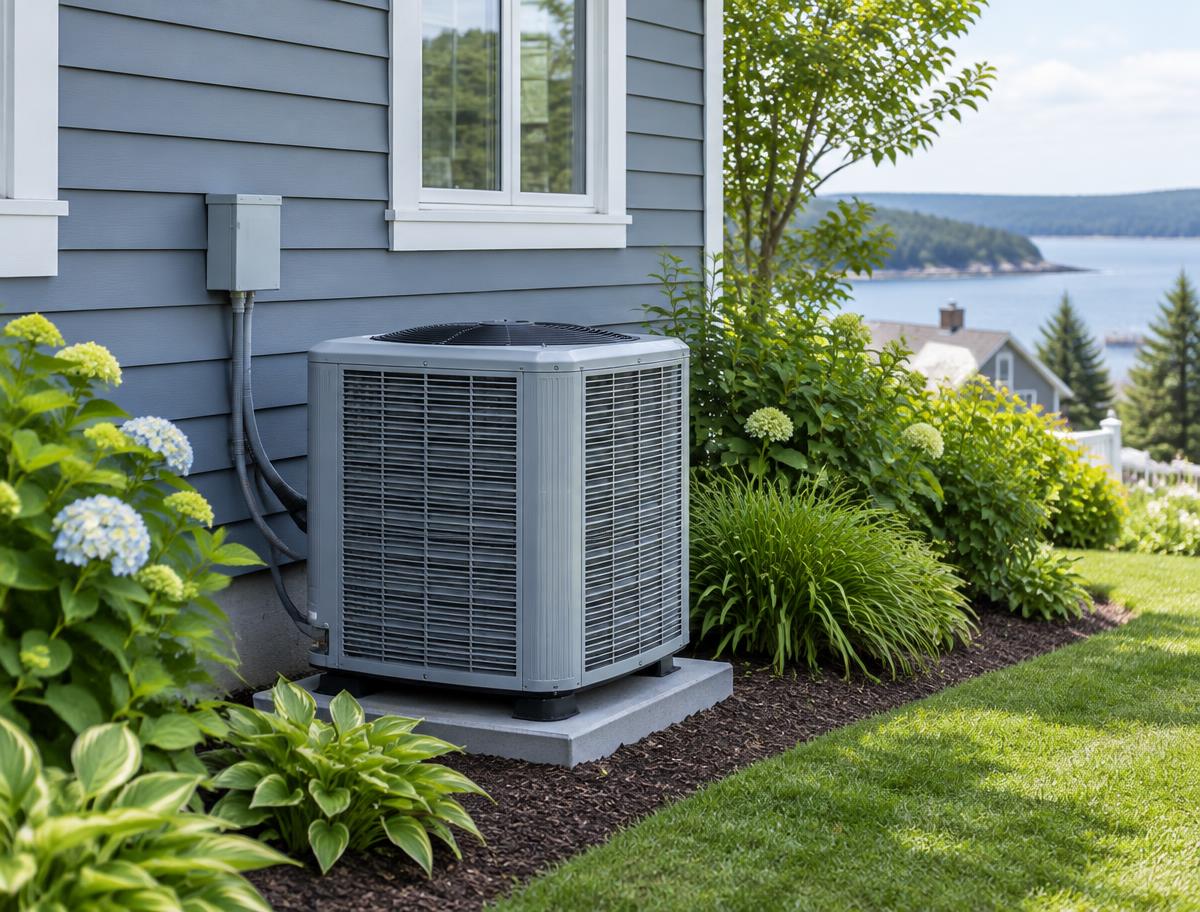
Compare comfort, installation cost and running costs together.
A heat pump’s value is specific to your home. Begin with what you have today and the change you want, then ask what equipment and work would deliver it.
Your baseline
Current heating, existing cooling and the rooms already served.
Your benefit
Added cooling, replacement heating or a better coverage plan.
Your investment
Installed work and running-cost assumptions, before unconfirmed rebates.
Your current setup changes the comparison
| Starting point | Useful question |
|---|---|
| Electric heating without ducts | Would planned mini-split zones serve the spaces you use? |
| Fuel-based heating | What would remain, and how would supplementary heat work? |
| Suitable ducts | Could central equipment provide the heating and cooling you want? |
| Existing heat pump | Does its coverage still match your room use? |
Ask what happens on the colder days
The system’s winter output should be reviewed against your home’s heating needs. Decide which existing heat sources remain and how controls will manage the arrangement.
A heating plan for the whole season
Milder days
The heat pump responds to a lower heating demand.
Colder days
Compare the model’s available heat with the home’s demand.
Backup plan
Confirm any supplementary heat and how it is controlled.
A decision sequence, not a performance chart. Capacity varies by model and conditions.
Equipment is one part of the home
Insulation, windows, air leakage and room airflow influence comfort and demand. If one room feels different, describe it before assuming more equipment capacity is the answer.
Example: a cold bedroom beside a comfortable living area
The next question is how heat reaches that bedroom and how much it needs. A larger unit in the living area may not address the route or the room’s heat loss.
Separate the cost to install from the cost to run
The installation total includes equipment and necessary work. Running costs depend on energy prices, equipment performance, household use and supplementary heat. Ask for the assumptions behind any comparison.
What makes up an installed quote?
Equipment
System type, capacity and the number of indoor units.
Connections
Electrical supply, refrigerant lines, drainage and controls.
Home-specific work
Duct changes, mounting, access and old-equipment removal where included.
Written coverage
Equipment warranty, labour terms and clearly stated exclusions.
A scope guide. No prices, proportions or savings are implied.
Bring these answers to the assessment
What do I use now?
Heating type, cooling already available and equipment you hope to retain.
What do I want to improve?
Rooms, seasons and the comfort change that matters most.
What would make it worthwhile?
Your budget priorities, desired capability and questions about operating costs.
Find out whether the change makes sense for you.
Start with your actual home and goals, then compare written options.
The online assessment is preview-only. No request is sent or appointment booked.